MORE THAN A BEAT
October 4, 2026
MILLE LACS BAND MEMBER LEAH LEMM DISCUSSES NATIVE JOURNALISM, COMMUNITY CONNECTIONS AND REPORTER SAFETY AT NATIONAL CONFERENCE
By Abawaagiizhigduquay, Toya Stewart Downey
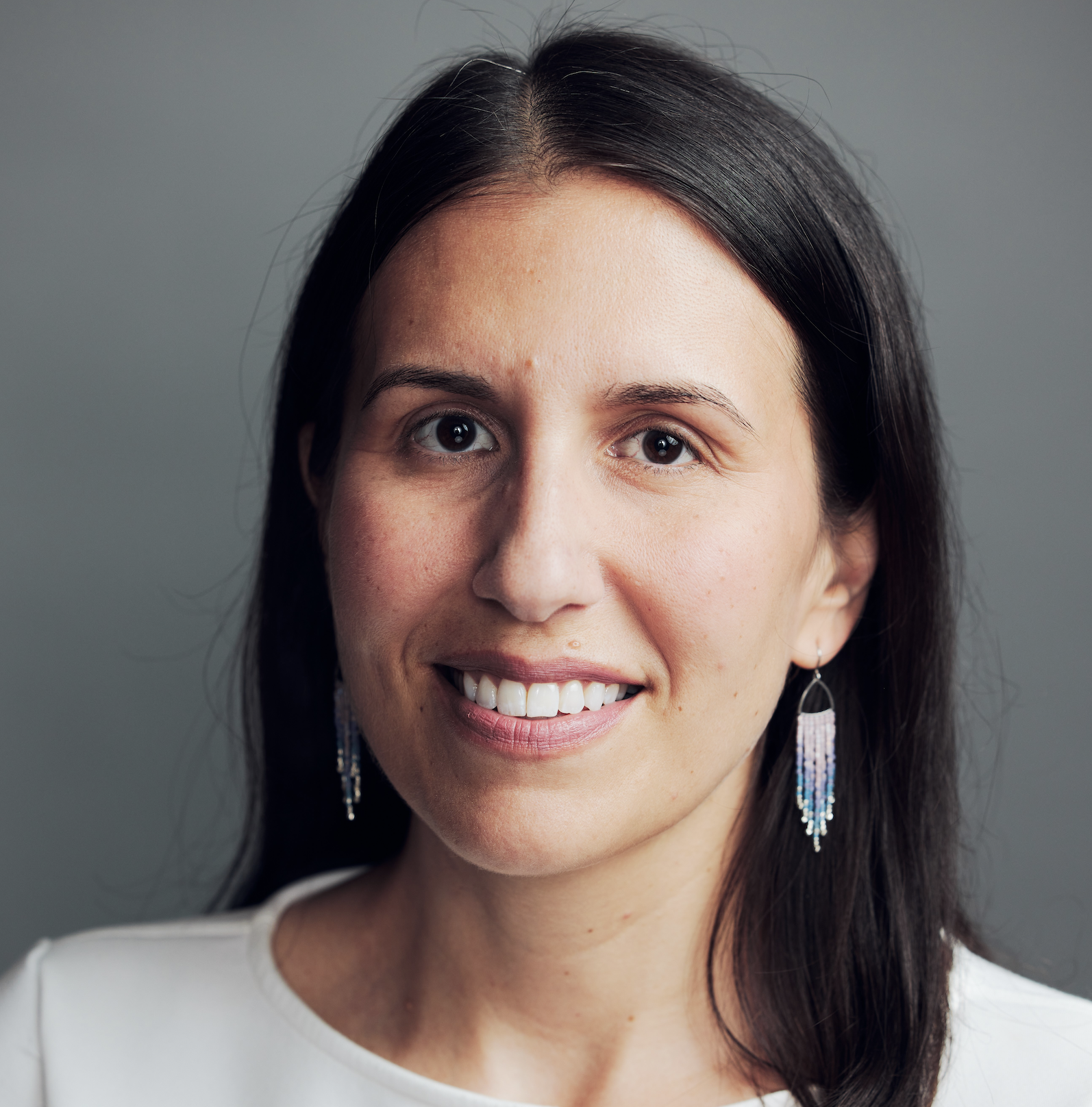
When journalists are preparing to cover a protest or another potentially dangerous event, Mille Lacs Band member and MPR News editor Leah Lemm wants them and their editors to ask a simple question: "Is it worth it?"
Lemm, senior editor for Native News at MPR News, said the question isn't about whether difficult stories should be covered. It's about weighing the importance of getting the story against the safety of the journalist sent to cover it.
"I want to make sure everyone is safe," Lemm said. "I'm a bit more cautious than others."
She brought that perspective to the 2026 Indigenous Media Conference in Portland, Oregon, where she was a featured panelist for "How to Cover Protests Safely." The annual conference, presented by the Indigenous Journalists Association, brings together Indigenous journalists and media professionals from across the country.
Lemm joined Associated Press reporter Claire Rush and Lyndall Herman, the AP's director of Global Safety Risk and Resilience for the Americas. Savannah Peters, an Indigenous affairs reporter for the AP and a citizen of the Mashpee Wampanoag Tribe, moderated the discussion.
The panel focused on questions journalists and editors face before and during potentially volatile assignments: What are the risks? How much risk is acceptable? When is it time to leave?
For Lemm, those decisions are also informed by who is covering the story and who is making decisions in the newsroom.
"We want to be able to tell stories of all Minnesotans," Lemm said in an interview following the panel. "In order to do that, we need to have people who have a pulse on the communities that MPR News serves, including Native communities, including tribes, urban Native communities."
Lemm has served as an editor for MPR's Native News team for nearly three years, helping decide which stories the team covers, how reporters approach them and whose voices are included.
Sometimes an editor who isn't Native may not immediately recognize the significance of a story pitch or may see the direction of a story differently than a Native reporter does, Lemm said
"I just think we are a bit more attuned to what folks care about," she said. "I won't say we do it perfectly because I don't think anybody ever does. But we really try our best."
At MPR, Lemm said, Native coverage isn't treated as an occasional assignment.
"We center our work around Native voices," she said about the Native News team. "It's not like a side beat. It's our priority, our main thing."
She also pointed to familiarity with the Indigenous Journalists Association style guide and its guidance on terminology, Tribal identification and coverage of Indigenous communities as another part of getting the story right.
The conference discussion about journalist safety wasn't theoretical for Lemm. Although she lives in northern Minnesota and works remotely, she has managed reporters covering demonstrations and breaking news in the Twin Cities.
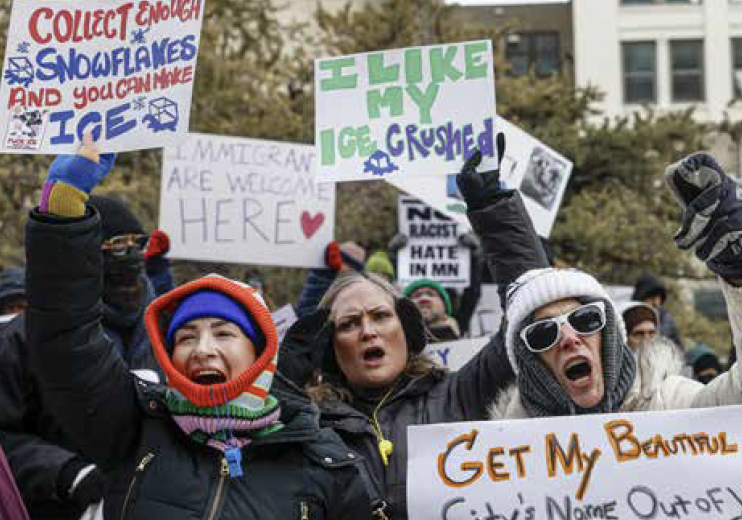
She recalled one particularly difficult day of coverage in November when conditions reached what she described as a "fevered pitch." Reporters encountered pepper spray and gas, and one of her colleagues was struck by a projectile.
"It was a lot of gut checks," Lemm said.
The team used a buddy system, stayed in communication and continually evaluated whether remaining on the scene was worth the risk.
Lemm and the other panelists said those conversations should begin before a journalist arrives at a protest. Reporters and editors should discuss expectations, how much risk the reporter is comfortable taking and when it's time to leave. They should also have a backup communication plan in case cell service becomes overwhelmed.
Rush encouraged journalists to work with a buddy when possible, check their equipment beforehand and establish a meeting location in case they become separated. Once on the scene, she said, reporters need to continually assess what is happening around them.
"You don't have to put your body on the line in protests," Rush said.
For Native journalists and other journalists of color, Lemm said, identity can add another consideration. The risk a newsroom sees may not be the same risk experienced by the journalist sent into the field
She pointed to recent federal immigration enforcement activity in the Twin Cities and concerns among people who felt they were being targeted because of characteristics such as brown skin or dark hair.
Knowing the community can also affect how journalists navigate breaking news.
Lemm highlighted the American Indian Cultural Corridor in Minneapolis, an area familiar to journalists who regularly cover the Native community. That familiarity helped reporters navigate coverage during federal immigration enforcement activity and demonstrations in the area.
She also discussed Fort Snelling and the confluence of the Minnesota and Mississippi rivers, a place of deep historical significance for Dakota people and the site of more recent demonstrations. There, she said, relatives delivered a symbolic eviction notice, and a camp with large tipis became part of a reclamation of Indigenous space.
Reporters familiar with those places knew where people gathered, where press conferences were likely to happen and where supplies and other resources could be found.
"We had these spaces we knew," Lemm said.
That knowledge became part of the team's decisions about both coverage and safety.
Lemm's own path to journalism was not a traditional one.
Before moving into MPR News, she spent about seven and a alt years working behind the scenes in broadcast operations for MPR and American Public Media. As a master control specialist in the International Control Center, she worked in what she described as the nerve center of the broadcast operation, making sure audio and programs got where they needed to go.
At the same time, she was finding her own ways to tell Native stories. Lemm co-hosts the podcast Native Lights: Where Indigenous Voices Shine with her brother, Cole Premo, and previously worked with New Native Theatre.
One of her first experiences with journalism came at a protest over the use of Native images as mascots. She recorded audio and made a short radio story, even though she didn't have anywhere to air it. A friend working at a community radio station eventually offered to broadcast the piece.
"One thing leads to another," Lemm said.
Journalism wasn't necessarily where Lemm expected to end up. When she was younger, she said, expressing herself through speaking was difficult. Music and singing gave her another outlet because she could practice and rehearse.
Over time, telling Native stories helped her become more comfortable using her own voice.
"Helping tell Native stories little by little" helped her find that voice, she said.
That experience now shapes the advice she gives Native people who might be interested in journalism but aren't sure how to begin.
"You can start on your own," Lemm said
Phones and other readily available technology make it possible to experiment with audio, video and reporting without first having a job in a newsroom. She encourages aspiring journalists to record something, make a video or simply report from where they are.
Years after making that first radio story without knowing where it would air, Lemm is now helping decide which stories one of Minnesota's major newsrooms tells.
"We really try our best," she said. "We center our work around Native voices."